
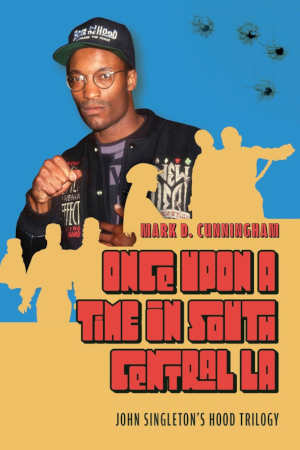
 Once Upon a Time in South Central LA
John Singleton’s Hood Trilogy
- Author: Mark D. Cunningham (United States)
- Book type: film book about director John Singleton
- Publisher: University of Mississippi Pres
- To be released: September 15, 2026
- Length: 232 pages
- Format: paperback
- Prize: $ 25.00
Buying Options
Content book on John Singleton’s Hood Trilogy
After the groundbreaking success of his debut film, Boyz N the Hood, in 1991, filmmaker John Singleton (1968–2019) gained worldwide acclaim, earned the respect of major film industry figures, and became the topic of both scholarly and popular culture film conversations. He also made history by becoming the youngest—and the first African American—nominee for the Academy Award for Best Director. However, lukewarm reception for his sophomore release, Poetic Justice, in 1993, dampened the momentum of his early promise, and critical interest in his subsequent work waned. Once Upon a Time in South Central LA: John Singleton’s Hood Trilogy seeks to reframe Singleton’s legacy and reaffirm his significance as a filmmaker.
Author Mark D. Cunningham argues that Singleton’s so-called “hood trilogy”—Boyz N the Hood, Poetic Justice, and Baby Boy (2001)—offers a vital cinematic lens into the lived experiences of young African American men and women. Blending film analysis with literature, music, sociology, and cultural studies, the volume positions Singleton’s work as a critical intersection of African American history, identity, and popular culture. Cunningham explores Singleton’s portrayal of Black masculinity, the social environment of South Central Los Angeles, and the impact of hip-hop culture on gender dynamics. By revisiting Singleton’s early career and the cultural weight of his films, Once Upon a Time in South Central LA reasserts the filmmaker’s place in the cinematic canon and highlights the enduring influence of his work on African American youth and storytelling.