Rivka Baum Jong en onschuldig? recensie en informatie boek over de Nederlandse bewaaksters in Auschwitz. Op 30 januari 2026 verschijnt bij Uitgeverij Prometheus het boek van de historicus Rivka Baum over de Nederlandse bewaaksters in concentratiekamp Auschwitz. Hier lees je informatie over de inhoud van het boek, de auteur en over de uitgave.
Rivka Baum Jong en onschuldig? recensies
Als er in de media een boekbespreking, review of recensie verschijnt van Jong en onschuldig, De Nederlandse bewaaksters in Auschwitz, geschreven door Rivka Baum, dan besteden we er op deze pagina aandacht aan.
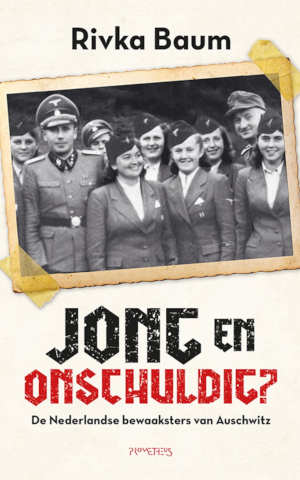
Jong en onschuldig?
De Nederlandse bewaaksters in Auschwitz
- Auteur: Rivka Baum (Nederland)
- Soort boek: oorlogsgeschiedenis
- Uitgever: Prometheus
- Verschijnt: 30 januari 2026
- Omvang: 256 pagina’s
- Uitgave: paperback
- Prijs: € 22,99
- Bestelmogelijkheden boek >
Flaptekst boek over de Nederlandse bewaaksters in concentratiekamp Auschwitz
Het verhaal van doodgewone Nederlandse meisjes op een allesbehalve doodgewone plek.
Tijdens de Tweede Wereldoorlog dienden in totaal ongeveer 170 vrouwen als bewaakster (Aufseherin) in het vernietigingskamp Auschwitz-Birkenau. Tussen de 40 en 75 vrouwen waren tegelijkertijd werkzaam in het kamp. In 1944 bevonden zich hieronder acht Nederlandse vrouwen. De jongste was negentien, de oudste vierentwintig. Na de oorlog werden deze vrouwen onderzocht binnen de bijzondere rechtspleging en moesten zij zich verantwoorden voor hun keuzes en gedragingen.
Aan de hand van hun brieven, getuigenissen van hun slachtoffers en naoorlogse rechtbankstukken vertelt historica Rivka Baum het opmerkelijke verhaal van deze jonge vrouwen. Waarom besloten deze doodgewone, Nederlandse vrouwen om als bewaakster in een concentratiekamp te gaan werken? Waaruit bestond hun werk? Hoe kwamen ze in Auschwitz terecht? Hoe gedroegen ze zich tegenover de joodse gevangenen in de kampen? Waren ze aanhangers van het nationaalsocialisme en overtuigde antisemieten? De waarheid blijkt vele malen ingewikkelder.
Rivka Baum studeerde geschiedenis, met als specialisatie Holocauststudies, aan de universiteiten van Leiden, Haifa en Krakau. Ze werkte mee aan de vaste tentoonstelling van het Nationaal Holocaustmuseum en trad op als expert in verschillende podcasts en tv-programma’s. Momenteel werkt ze bij het Nationaal Archief.